October 07, 2026


I came for the coffee and stayed for the argument.
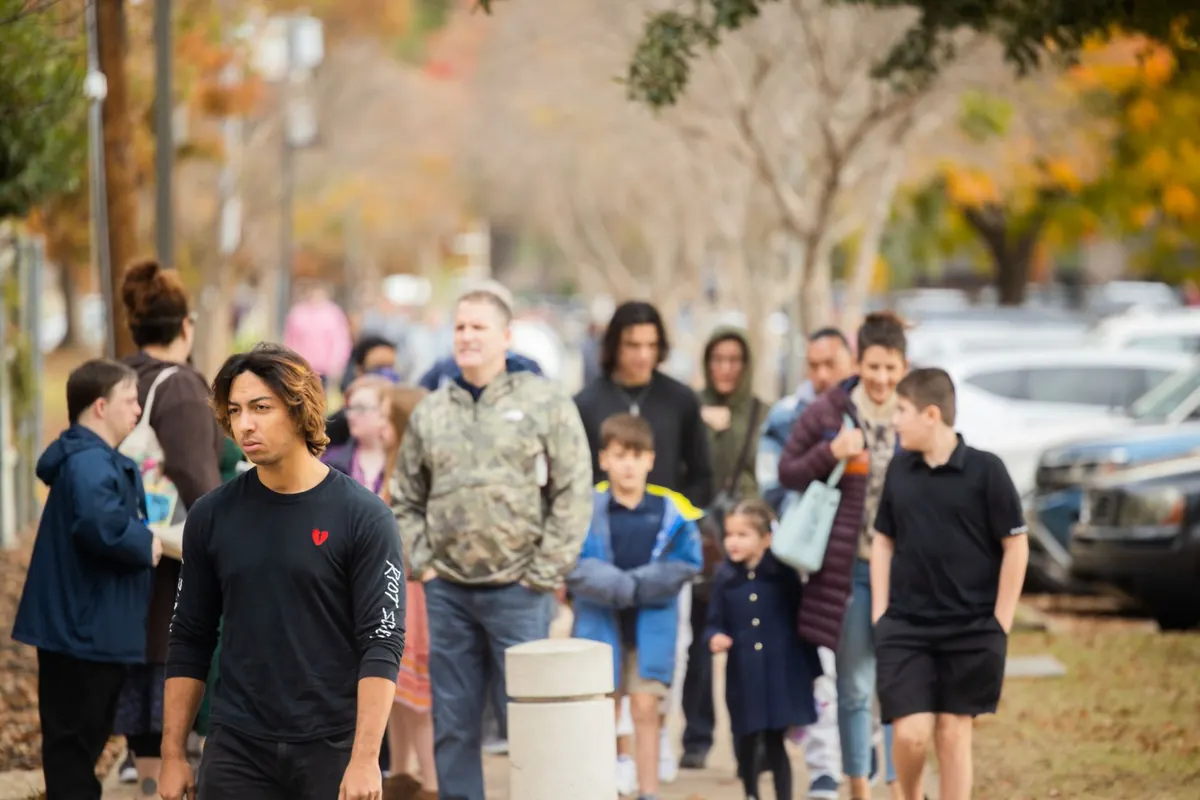
The friend who invited me to church had been praying for me for eleven years, a fact I learned much later. What I knew at the time was simpler: he never flinched when I mocked his faith, never lectured, never handed me a tract with a concerned tilt of the head. He just kept asking. So one Sunday evening I went, sat near the door with my arms folded, and waited for someone to say something foolish.
It took two years before anything I would call faith took root. That is the part most testimonies skip, and it is the part I want to write down. The dramatic version would be shorter and would sell better: skeptic walks in, hears one sermon, weeps, gets baptized the following Sunday. What actually happened was slower, duller, and more embarrassing. I have come to believe it is also more like how God usually works.
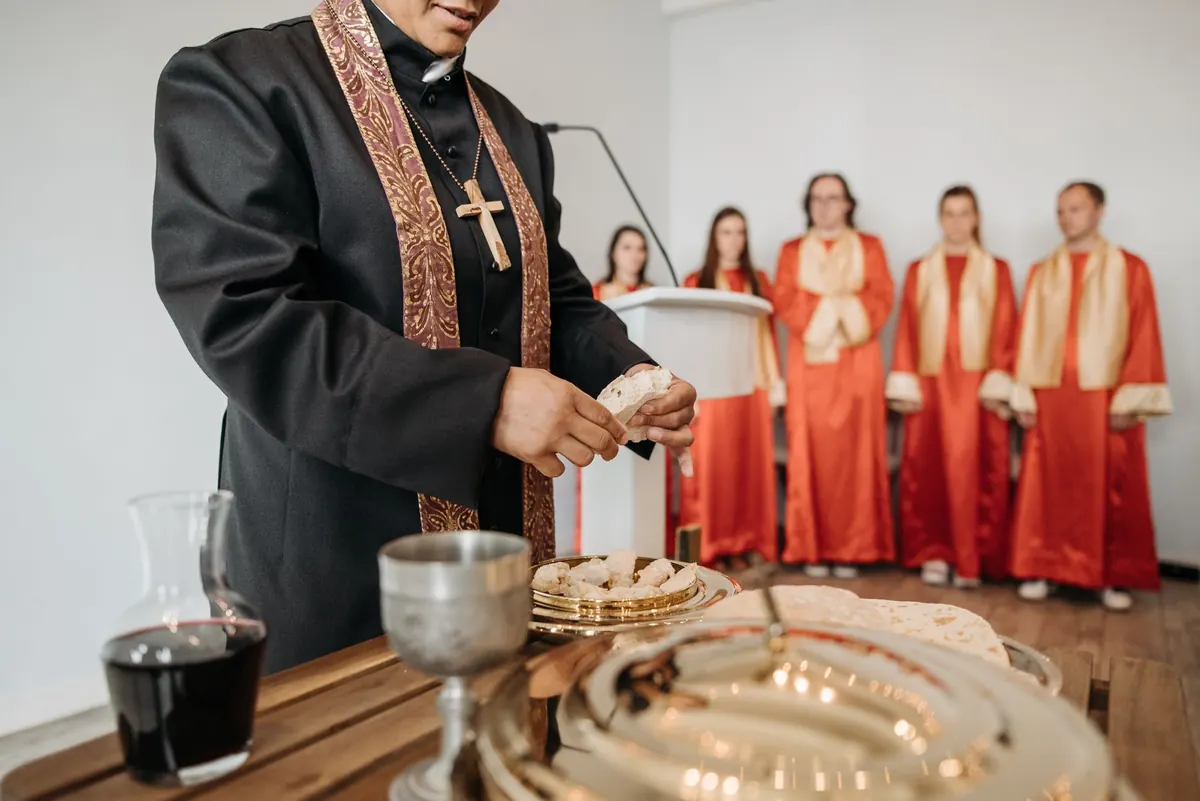
For a long stretch, the honest report is boredom. I showed up maybe once a month. I liked the singing more than I expected and disliked the sermons less than I let on. I learned which door let me slip out before the last song, and I drank the coffee even though it tasted like an apology. I kept a running list in my head of contradictions, inconsistencies, and things that seemed too convenient to be true, the way a prosecutor keeps notes for a case he intends to win.
Afterward I would corner a man named Ray and press him on suffering, or the age of the earth, or why a loving God would hide himself. Ray never won. He also never lost. He would say, "I don't know," and then ask how my week had been, which infuriated me.
In between, ordinary life kept going. Work. A breakup that took longer to heal than I admitted. My grandmother's funeral, where the pastor read about a house with many rooms, and I cried in the parking lot and told my brother it was the pollen.
Looking back, I can see a pattern I could not see then. Nobody was arguing with me. God was wearing me down with kindness.
None of this arrived as a thunderclap. It came in pieces small enough to ignore, which is exactly why I could not shake them.
Not one of those things proved anything. That was the point. They did not need to prove anything. They only needed to make the door harder to keep shut, and they did.
It ended on an ordinary Tuesday, past midnight, in a kitchen with dishes in the sink. I was reading the story of the two sons, and something I had argued against for two years quietly stopped being arguable. I had spent those years insisting that God was indifferent, remote, uninterested in the specifics of my life. I could not make that charge stick against a father who runs down the road with his robes hiked up.
Then I got to the older brother, standing outside with his ledger and his grievance, refusing to come in because the math did not add up. I recognized the posture. I had built a whole personality out of it.
I called Ray the next day and told him I thought I might be a Christian, which came out sounding like a diagnosis. He laughed for a long time.
"I'm not going to win this one," he said. "I've never won one. But you keep coming back, and I don't think that's because of me."
That night I prayed, badly. It was not elegant and it was not long. It was closer to a complaint: I don't know if you're there. If you are, I'm tired. That was the whole prayer. It was enough.
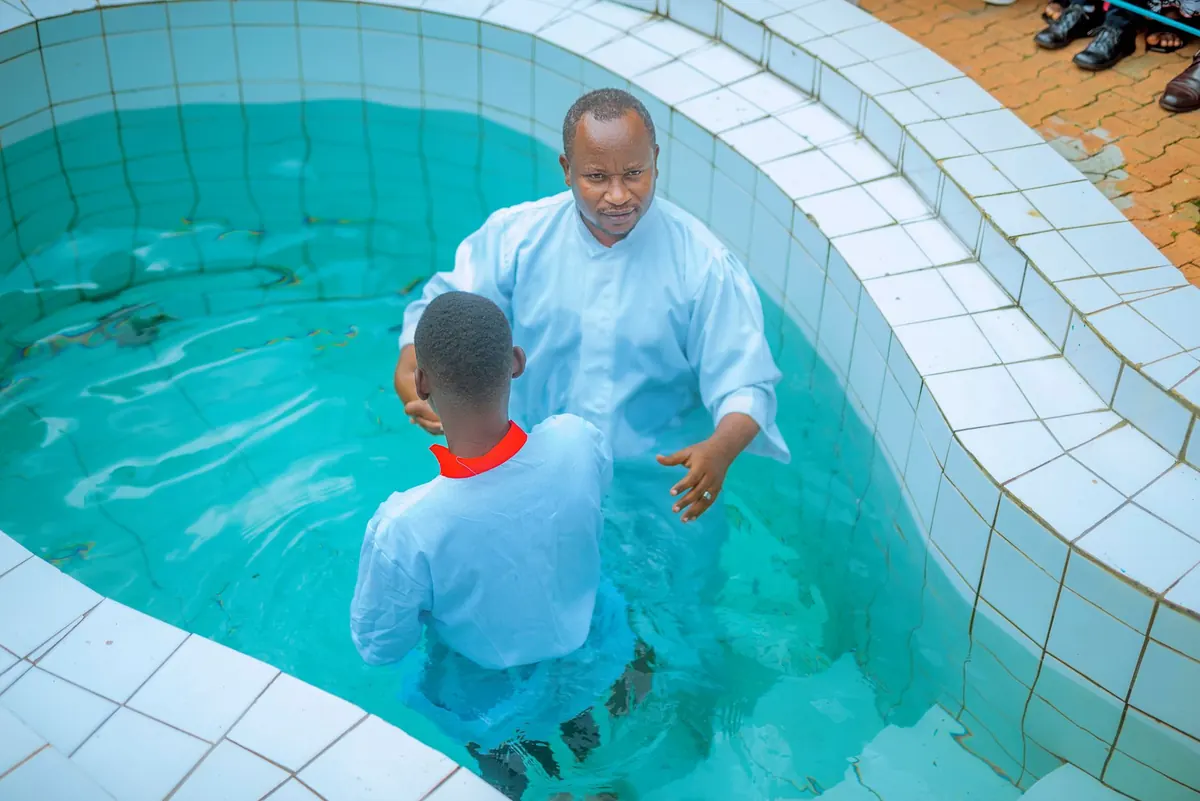
I was baptized in October, in a tank behind a stage, in front of about two hundred people, most of whom had prayed for me at some point without my knowledge. I want to be honest about what that day did and did not accomplish, because I needed that honesty before I believed, and I still need it now.
What it did not do: It did not make doubt disappear. I still ask hard questions. It did not fix my temper or make me patient with slow drivers. It did not answer the age of the earth, or suffering, or why God so often seems silent. It did not even give me much of a feeling in the moment; mostly I was aware of how cold the water was.
What it did do: It ended the pretending. I stopped being a man who visited church and became a man who belonged somewhere, to people who would notice if I vanished. It made my skepticism something I carried into the room instead of a wall I stood behind. And it gave me a date, which matters more than I expected, because on the days when nothing feels true I can point at something that happened in public.
I owe my friend a debt I cannot repay, and I have thought a good deal about what he did that worked.
You do not have to pretend anything. Folded arms are allowed. Ask your questions out loud; a faith that cannot survive them is not worth your loyalty anyway. But do a few things while you wait.
I am not the poster child for a sudden conversion. I am the slow kind: the kind that sat near the exit for twenty-four months and got worn down by ordinary kindness, bad coffee, and a friend who would not quit. The coffee is still bad. I still come. And every Sunday, before the first song, I say a short prayer of thanks for the eleven years I did not know about.
Photo: Paul Ndayambaje / Pexels
Reflections on faith, hope, and the cross.
Copyright © 2026 The Cross Journal. All rights reserved. The Cross Journal.